Exploring the Wonders of Cycads: Using Cones to Identify Indigenous Cycads of South Africa
Our Product Insight
Cycads are fascinating plants that have been around since the age of dinosaurs, and South Africa is home to a rich diversity of these ancient species. Using cones to identify the indigenous Cycads of South Africa is a unique approach that allows enthusiasts, botanists, and nature lovers to engage with these remarkable plants in a hands-on way. This method not only enhances your understanding of cycads but also deepens your appreciation for the biodiversity of the region.The identification process through cones is particularly interesting because it involves examining the reproductive structures of cycads, which can be quite distinct among species. Whether you are a seasoned botanist or a curious beginner, this product offers an exciting way to connect with nature.
Key Features
When it comes to identifying cycads using cones, several key features make this method stand out:- Educational Value: This approach provides a practical learning experience. By focusing on cones, you gain insights into the reproductive cycles of cycads and their ecological significance.
- Hands-On Experience: Engaging with the cones allows for a tactile learning experience. You can physically handle the cones, observe their shapes and sizes, and understand how these features relate to different cycad species.
- Visual Identification: The cones of cycads vary significantly in appearance, making them a reliable feature for identification. From the size and color to the texture, each cone tells a story about the plant it comes from.
- Conservation Awareness: Understanding cycads can foster a deeper appreciation for conservation efforts. Many cycad species are threatened or endangered, and learning about them can inspire you to support preservation initiatives.
While the identification process using cones is engaging, it does require some patience and practice. You may find that some cones look similar at first glance, but with time, you’ll develop the skills to distinguish between them.
Who It's For
This product is ideal for a wide range of individuals:- Botanists and Researchers: If you’re involved in plant sciences, using cones for identification can enhance your research and fieldwork. It provides a practical method for studying cycad diversity and distribution.
- Nature Enthusiasts: If you love spending time outdoors and have an interest in plants, this method offers a fun way to deepen your knowledge of South Africa’s unique flora.
- Educators and Students: Teachers can use this approach in educational settings to teach students about plant biology, ecology, and conservation. It’s a hands-on method that can make learning about plants more engaging.
- Conservationists: Those involved in conservation efforts will find this method useful for identifying and monitoring cycad populations in the wild. Understanding the reproductive aspects of these plants can aid in conservation strategies.
Using cones to identify indigenous cycads of South Africa is not just a method; it’s an invitation to explore the intricate world of these ancient plants. With its educational value and hands-on experience, this approach can enrich your understanding of cycads and their role in our ecosystem. Whether you’re a botanist, a nature lover, or an educator, this method offers a unique way to connect with the natural world. So grab a cone, head outdoors, and start your journey into the fascinating realm of cycads today!
Remember, the more you engage with these plants, the more you’ll discover their beauty and importance in our environment. Happy exploring!
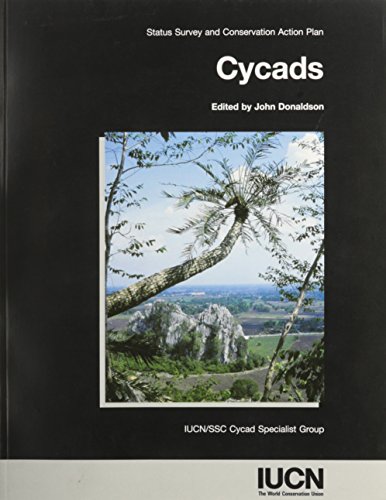
If you're looking to dive deeper into the taxonomy of cycads, "American Fossil Cycads, Vol. 2: Taxonomy (Classic Reprint)" is an essential read. For anyone interested in the unique flora of the Pacific, "Cycads of Micronesia" provides an invaluable resource on the region's cycad species. To understand the fascinating characteristics of cycads, you should explore various cycads available in your local botanical gardens. For a comprehensive overview of these ancient plants, the book simply titled "Cycads" is a must-have for enthusiasts and researchers alike. After learning about their resilience, "Cycads After Fire" offers insights into how these remarkable plants recover and adapt post-wildfires. Check out the Cycads of Micronesia for great value. Check out the cycads for great value. Check out the Cycads for great value. Check out the Cycads After Fire for great value.
More Products You Might Like



Disclaimer: This article has been generated through our AI content insight system and is intended for general informational purposes only. Please carry out your own research and review product details directly before making any purchase decisions.